How to Avoid Guilt-Free Shopping: Spend Smarter Without the Regret
Have you ever come home excited about a new purchase, only to feel guilty a few hours later? You’re not alone. Many people struggle with balancing the joy of shopping and the stress of overspending. The good news is that shopping doesn’t have to leave you feeling guilty—it can become a mindful habit that supports both your happiness and your financial goals.
Why Shopping Often Leads to Guilt
Impulse buying, emotional spending, and fear of missing out (FOMO) are some of the biggest reasons people regret their purchases. A common example is buying clothes during a flash sale only to realize they remain unworn for months. Instead of enjoying the bargain, the purchase becomes a reminder of wasted money.
Myth vs. Reality
Many believe that avoiding guilt means stopping shopping altogether. That’s a myth.
The reality is that guilt-free shopping comes from intentional spending—not avoiding purchases entirely. When you buy things that genuinely add value to your life and fit your budget, shopping becomes enjoyable rather than stressful.
Studies consistently show that many consumers make impulse purchases regularly, while creating and following a shopping budget can significantly improve financial confidence and reduce buyer’s remorse.
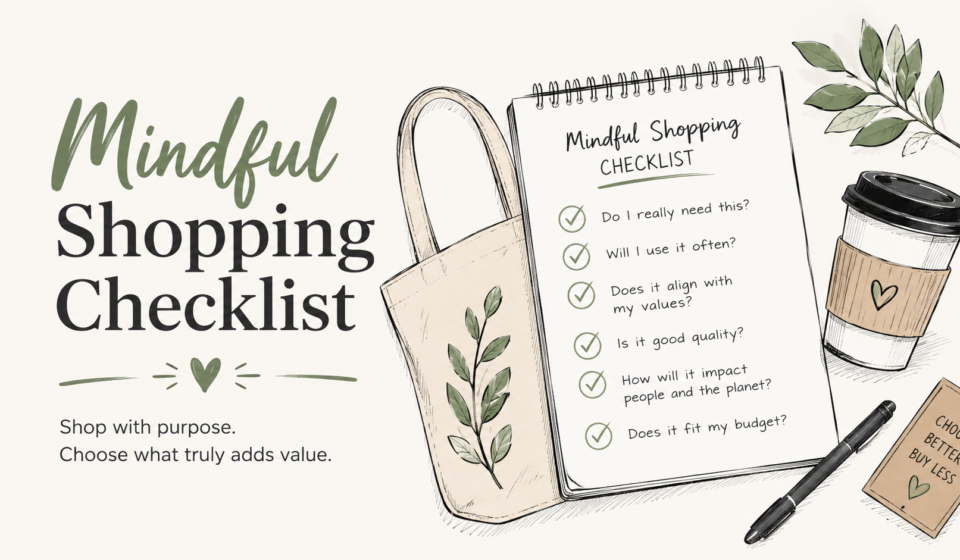
How to Shop Without Feeling Guilty
Follow these practical steps:
- Set a monthly shopping budget.
- Wait 24 hours before buying non-essential items.
- Ask yourself: “Will I still use this six months from now?”
- Compare prices before making a purchase.
- Focus on quality instead of quantity.
- Celebrate thoughtful purchases instead of frequent ones.
Useful Tools That Help
Consider using:
- Budget tracking apps
- Expense management spreadsheets
- Wish-list apps to delay impulse purchases
- Cashback and price comparison platforms
These tools help you make informed decisions instead of emotional ones.
Beginner vs. Advanced Shopping Strategies
Beginner Approach
- Create a shopping list.
- Stick to a fixed budget.
- Avoid browsing when bored.
Advanced Approach
- Track spending trends monthly.
- Plan purchases around seasonal sales.
- Build a “fun money” category in your budget so shopping stays guilt-free.
Common Mistakes to Avoid
- Shopping to relieve stress.
- Buying because of discounts alone.
- Ignoring your monthly budget.
- Using credit without a repayment plan.
- Following every social media trend.
Final Thoughts
Guilt-free shopping isn’t about spending less—it’s about spending with purpose. Every purchase should align with your priorities, lifestyle, and financial goals. When you shop mindfully, you enjoy your purchases more and regret them less.
Start small today: create a shopping budget, pause before every non-essential purchase, and choose value over impulse. Over time, you’ll build healthier money habits and enjoy shopping with confidence instead of guilt.