The Autonomous Career: Transitioning from Employee to Independent Solopreneur
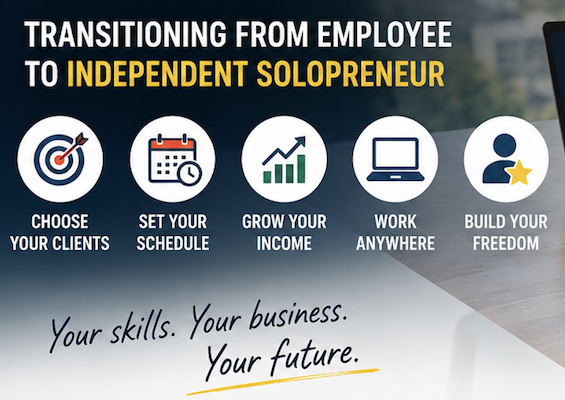
Have you ever wondered what it would feel like to build a career where you choose your clients, set your schedule, and decide your income? More professionals are leaving traditional jobs to create an autonomous career—but the transition isn’t as simple as quitting your 9-to-5.
Why Employees Struggle to Make the Leap
The biggest challenge isn’t a lack of talent—it’s uncertainty. Many people believe they need a perfect business idea, a huge savings account, or years of experience before becoming independent. In reality, most successful solopreneurs start small while learning along the way.
Take Sarah, a marketing executive who began offering freelance consulting on weekends. Within 10 months, her side income consistently matched 70% of her salary. That financial cushion gave her the confidence to transition into full-time self-employment without unnecessary risk.
Myths About Becoming a Solopreneur
Let’s clear up a few common misconceptions:
- Myth: You must quit your job immediately.
- Reality: Many successful solopreneurs build a side business first.
- Myth: You need thousands of dollars to start.
- Reality: Many service-based businesses require minimal upfront investment.
- Myth: Working independently means working alone.
- Reality: Strong networks, online communities, and collaborations are essential.
What Does the Opportunity Look Like?
Freelancing and independent consulting continue to grow globally as businesses increasingly hire specialized talent for flexible projects. Many experienced professionals can gradually replace their full-time salary, while highly specialized consultants often earn significantly more after establishing a strong reputation. Your actual income depends on your skills, niche, pricing, consistency, and client acquisition.
How to Transition Successfully
Step 1: Identify Your Marketable Skills
List skills employers already pay you for. These often become your first services.
Step 2: Find a Specific Niche
Instead of serving everyone, focus on a clear audience with a specific problem.
Step 3: Build a Simple Online Presence
Create:
- A professional LinkedIn profile
- A portfolio website
- A clear service offering
Step 4: Get Your First Clients
Start with referrals, networking, freelance platforms, and content marketing.
Step 5: Create Reliable Systems
Track finances, manage projects, and automate repetitive tasks as your business grows.
Useful Tools
- Notion for organization
- Trello or ClickUp for project management
- Canva for marketing materials
- Google Workspace for collaboration
- Wave or QuickBooks for invoicing and accounting
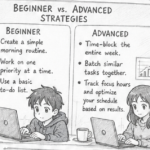
Beginner vs. Advanced Strategy
Beginner Approach
- Offer one service
- Charge per project
- Focus on referrals
- Learn through real client work
Advanced Approach
- Develop premium packages
- Build recurring monthly retainers
- Create digital products or courses
- Automate client onboarding and marketing
Common Mistakes to Avoid
- Underpricing your services
- Trying to serve every industry
- Ignoring personal branding
- Failing to save for taxes and emergencies
- Waiting for perfection before launching
Key Takeaways
The autonomous career isn’t about escaping work—it’s about gaining control over it. Start before you feel completely ready, validate your skills with real clients, and improve one step at a time. Every successful solopreneur was once an employee who decided to take the first calculated step. If you’ve been waiting for the “right time,” begin building your independent future today—one client, one project, and one confident decision at a time.