Ultra-Learning & Self-Education: Mastering Hard Skills on Your Own Terms
Imagine landing a better job or launching a side hustle—not because of a fancy degree, but because you taught yourself a valuable skill. In today’s fast-changing world, self-education has become one of the smartest investments you can make.
Why Traditional Learning Isn’t Always Enough
Technology evolves faster than most classrooms. Many professionals discover that the skills they learned a few years ago are already outdated. That’s where ultra-learning comes in—a focused, self-directed approach to mastering difficult skills quickly and effectively.
Take Sarah, a marketing executive who wanted to switch into data analytics. Instead of enrolling in a costly full-time program, she dedicated one hour daily to online courses, practice projects, and feedback. Within eight months, she secured a higher-paying analytics role.
Common Myths About Self-Education
Many people believe:
- You need a university degree to master technical skills.
- Learning alone is impossible.
- Expensive courses guarantee better results.
The truth? Consistency beats cost. Thousands of successful developers, designers, writers, and entrepreneurs have built careers through disciplined self-learning.
The Real Opportunity
Reports consistently show that digital skills remain among the fastest-growing career opportunities worldwide. Many self-taught professionals increase their income through promotions, freelancing, or remote work after developing in-demand skills like programming, digital marketing, data analysis, or UI/UX design. While earnings vary by experience and location, dedicated learners often unlock significantly better career prospects over time.
How Ultra-Learning Works
The idea is simple:
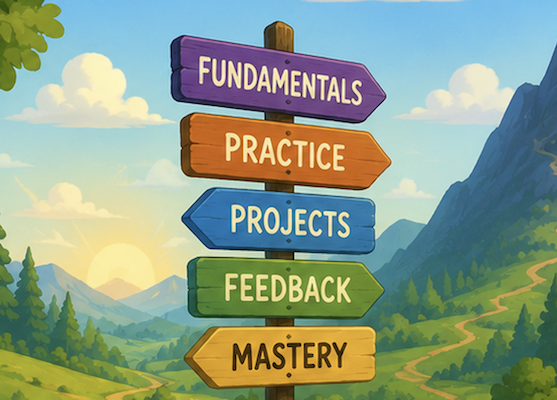
- Choose one high-value skill.
- Break it into smaller topics.
- Practice more than you consume.
- Seek feedback regularly.
- Build real-world projects.
- Repeat until you’re confident.
Learning by doing creates stronger long-term retention than passive reading or watching videos.
Helpful Tools for Faster Learning
- Coursera and Udemy for structured courses.
- YouTube for free tutorials.
- Notion for organizing notes.
- Anki for spaced repetition.
- GitHub or Behance to showcase projects.
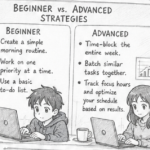
Beginner vs. Advanced Strategy
Beginners should:
- Learn fundamentals.
- Study 30–60 minutes daily.
- Complete guided exercises.
Advanced learners should:
- Build portfolio projects.
- Join professional communities.
- Teach others to reinforce knowledge.
- Solve real client or business problems.
Mistakes to Avoid
- Jumping between multiple skills.
- Consuming content without practicing.
- Quitting after early setbacks.
- Ignoring feedback.
A simple routine completed consistently beats occasional bursts of motivation.
Final Thoughts
Ultra-learning isn’t about learning faster—it’s about learning smarter. With curiosity, consistency, and deliberate practice, anyone can master valuable skills on their own terms. Start with one skill today, commit to daily progress, and let your future success become proof that self-education truly works.